In short
Many Americans choose to retire in Hua Hin for its calm pace, beaches, private hospitals, golf, established expat community and roughly three to four hours' drive from Bangkok. Illustrative budgets in our cost-of-living guide run from about ฿56,000 a month for one person renting moderately to about ฿112,500 for a comfortable couple. The trade-offs are real: heat and humidity, limited public transport, a smaller city than Bangkok or Chiang Mai, and visa and banking paperwork. Most people are best served by renting for a season before deciding whether and what to buy.
Sergey Vinogradov · Published: September 2026 · Last reviewed: September 2026 · Reading time: approx. 14 minutes
Why Americans consider retiring in Hua Hin
Hua Hin was Thailand's first beach resort, developed around the royal summer palace, and it has kept a quieter, more residential character than Phuket or Pattaya. For retirees, the appeal usually comes down to a combination rather than any single feature: a long beach, private hospitals in town, a wide choice of golf courses, a large established expat community, and Bangkok close enough for flights, specialists and shopping.
This guide is a starting point. Each topic links to a detailed resource so you can go as deep as you need. If you are still choosing between destinations, read Hua Hin vs Chiang Mai for retirement and Hua Hin vs Phuket, Pattaya and Bangkok.
Lifestyle
Daily life for most retirees in Hua Hin is unhurried: morning walks on the beach or a round of golf, markets and cafés, a lively restaurant scene, and social activity organised through clubs and community groups. The town has international supermarkets, shopping malls, night markets and a steady calendar of events.
It is not a big city. Cultural life is modest compared with Bangkok, and some retirees find the pace too quiet after a year or two. That is a reason to spend real time here before committing.
Cost of living and monthly budgets
Housing, health insurance and lifestyle choices drive most of the variation. Our cost of living in Hua Hin for retirees guide builds three defined budgets in THB and USD. In summary:
| Scenario | Monthly THB | Approx. USD |
|---|---|---|
| One person, moderate, renting | about ฿56,000 | about $1,684 |
| Couple, comfortable, renting | about ฿112,500 | about $3,383 |
| Couple, spacious home, active leisure | about ฿184,500 | about $5,549 |
Housing: renting vs buying, condo vs villa
Most retirees should rent first. Six to twelve months lets you experience the hot and rainy seasons, compare areas and understand what you actually need before tying up capital. Our renting vs buying guide works through five- and ten-year comparisons.
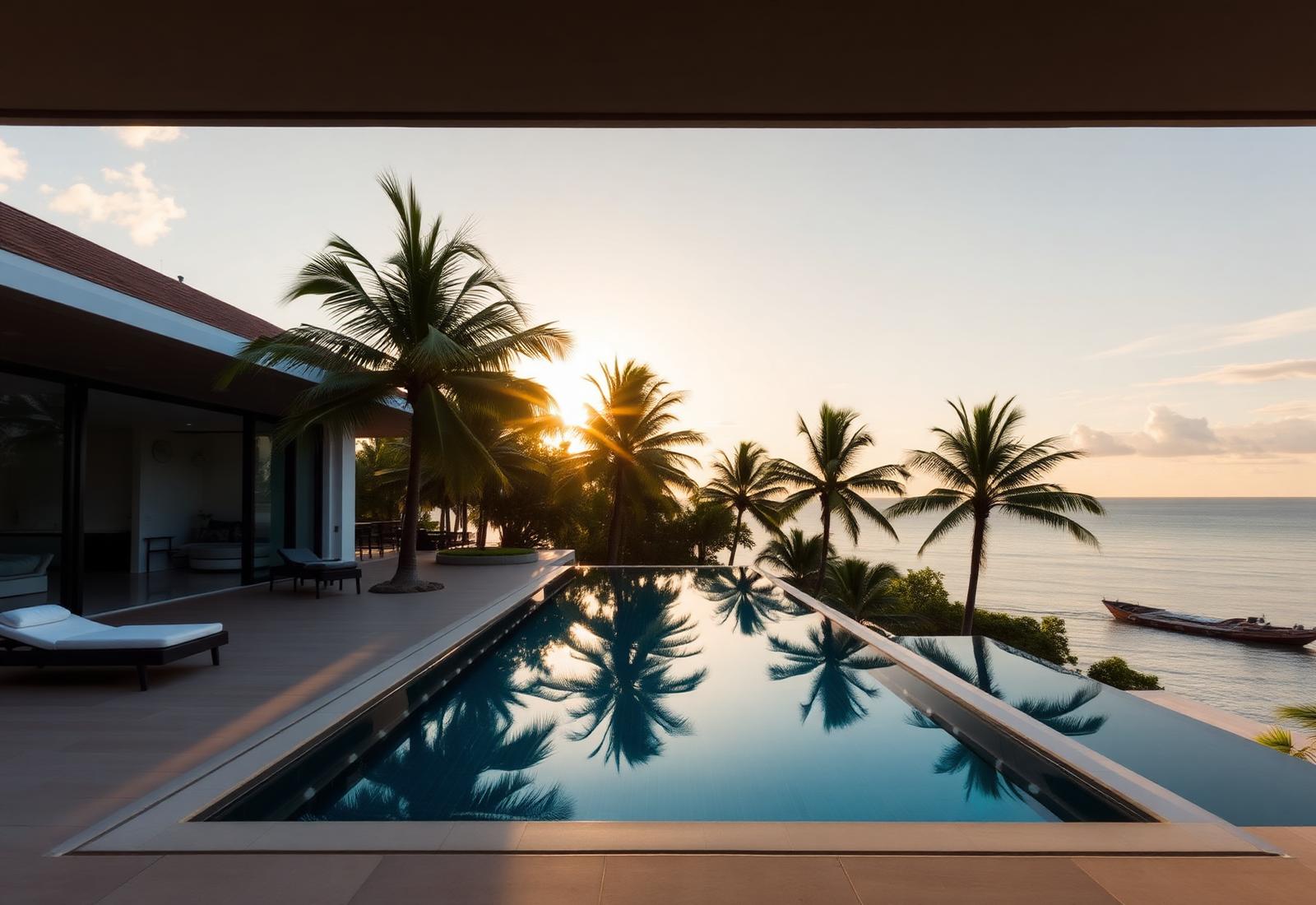
When buying, the main choice is between a condo, which a foreigner can own freehold within the foreign quota, and a villa, where land ownership rules require a structure your lawyer must approve. Condos suit lock-up-and-leave living and those who prefer less upkeep; villas suit those who want space, a private pool and a garden. See condo vs villa in Hua Hin and Hua Hin property prices for costs.
Best Hua Hin areas for retirees
Retirees generally weigh walkability and healthcare access against space and quiet. A short summary is below; the full picture is in the best areas of Hua Hin guide.
| Area | Suits retirees who want | Consider |
|---|---|---|
| Central Hua Hin | Walkability, hospitals, restaurants, no car | Traffic, noise, older buildings |
| Khao Takiab / Nong Kae | Beach life, quieter but close to town | Higher prices for beachfront |
| Hin Lek Fai / Soi 112 | Pool villa, space, golf nearby | A car or regular transport is needed |
| Khao Tao | Very quiet coastal living | Further from hospitals and services |
| Cha-Am | Lower-cost beachfront, weekend atmosphere | A separate town, quieter midweek |
Healthcare and medical access
Hua Hin has private hospitals, including Bangkok Hospital Hua Hin and San Paulo Hospital, and the public Hua Hin Hospital. Complex specialist care is often referred to Bangkok. Medicare generally does not cover care outside the United States, so international health insurance is essential planning, and its availability and cost depend heavily on age and medical history.
Where you live relative to the hospitals matters more as you age. Our detailed healthcare in Hua Hin for retirees guide covers hospitals, insurance, prescriptions and emergency planning.
Transportation and getting around without a car
Central Hua Hin is manageable without a car: songthaews (shared pickup buses) run along Phetkasem Road, ride-hailing apps operate, and taxis and motorcycle taxis are widely available. Once you live west of Phetkasem Road in the villa estates, most people find a car becomes necessary.
Bangkok is roughly three to four hours by road depending on traffic, with bus, minivan and train options. Hua Hin's small airport has had limited and changing scheduled services; most international travel goes through Bangkok's airports.
Food, groceries and Western products
Fresh local food is inexpensive and excellent. International supermarkets and malls in Hua Hin stock Western groceries, wine and familiar brands, but imported products cost noticeably more than in the U.S. Retirees who cook largely Thai or local ingredients spend far less than those who replicate an American shopping basket.
Climate and the rainy season
Hua Hin is hot year-round. The cooler, drier months from about November to February are the most comfortable; March to May is the hottest period; and the rainy season generally brings showers and storms rather than all-day rain, with Hua Hin often drier than many other Thai destinations. Air conditioning is a significant part of any budget. Our best time to visit Hua Hin guide describes each season.
Safety considerations
Many retirees find Hua Hin comfortable and relaxed, but ordinary precautions still apply. Road safety is the most significant everyday risk in Thailand, particularly on motorcycles. Petty theft and scams exist as in any tourist town. For current official guidance, check the U.S. State Department's Thailand travel advisory.
Visa and long-stay considerations
Buying property does not give you the right to live in Thailand. Retirees typically use a long-stay visa route such as the Non-Immigrant O (retirement) visa, the Non-Immigrant O-A or O-X long-stay visas, or other categories such as Long-Term Resident or Thailand Privilege membership, each with its own age, financial, insurance and reporting requirements. Requirements change, so confirm current rules through the Royal Thai Government's official e-Visa service or the Thai embassy or consulate that covers you, and consider an immigration professional.
Banking and transferring money
Opening a Thai bank account as a foreigner depends on the bank's policies and your visa status. For property purchases, documentation of money brought in from abroad matters, especially for condo freehold. Our guide to transferring money from the USA to Thailand covers transfers, the Foreign Exchange Transaction form and U.S. reporting obligations such as FBAR.
Owning property as a foreigner
Americans can own a condo freehold within the foreign quota, but cannot own land in their own name. Villas are typically held through a registered lease or other structures that require careful legal advice. Start with Can Americans buy property in Thailand? and the full Hua Hin buyer's guide for Americans. It is also worth understanding the eventual exit — see selling property in Thailand as a foreigner.
Potential downsides of retiring in Hua Hin
No place is perfect, and a clear view of the disadvantages leads to better decisions.
- Heat and humidity year-round, with high electricity bills for air conditioning.
- Limited public transport outside the centre; many areas need a car.
- Complex specialist care often means travel to Bangkok.
- Health insurance becomes expensive and harder to obtain with age.
- Visa rules require ongoing paperwork and reporting, and can change.
- Foreigners cannot own land in their own name.
- A smaller city with less cultural variety than Bangkok or Chiang Mai.
- Language barriers in government offices and some healthcare settings.
- Distance from family and long flights home.
- Currency risk if your income is in dollars.
Questions to answer before relocating
Before you move
- Which visa route will I use, and do I meet its financial and insurance requirements?
- What international health cover can I get at my age, and what does it exclude?
- Will I rent first, and for how long?
- Which area fits how I want to live — walkable or spacious?
- Will I need a car?
- What is my realistic monthly budget, including a 10% currency buffer?
- How will I bank, transfer money and meet U.S. tax reporting obligations?
- How often will I travel back to the U.S., and at what cost?
- Have I spent time here in the hottest and wettest months?
Planning your retirement move
If you are seriously considering retirement in Hua Hin, a conversation about how you want to live — walkable or spacious, condo or villa, near the hospitals or near the golf — is usually the quickest way to narrow down neighborhoods and housing options that fit your budget. We are happy to talk it through, including whether renting first is the better step.
Frequently asked questions
Sources & further reading
- Official visa categories and long-stay requirements — Royal Thai Government e-Visa service
- Medicare coverage outside the United States — Medicare.gov
- Thailand travel advisory — U.S. Department of State
- Official foreign exchange reference rates — Bank of Thailand
- Condominium ownership and land registration — Department of Lands, Thailand
Related selected properties
Related articles
Living in Hua Hin
Cost of Living in Hua Hin for Retirees: Monthly Budgets in USD and THB
What a month in Hua Hin actually costs depends on housing, air conditioning, whether you run a car and how you insure your health. This guide builds three defined budget scenarios in baht and dollars and shows how to turn them into your own figure.
Reading time: approx. 10 minutes

Living in Hua Hin
Healthcare in Hua Hin for Retirees: Hospitals, Insurance & What to Consider
What retirees should understand about medical care in Hua Hin before buying: the local hospital landscape, when Bangkok still matters, insurance realities, U.S. Medicare limits abroad, and how healthcare access should influence where you buy.
Reading time: approx. 12 minutes
Property Guides & Market
Where to Buy Property in Hua Hin: Area Guide for Foreign Buyers
A comprehensive area-by-area guide to buying in and around Hua Hin: what each location is actually like, which property type it suits, how far it is from daily services, and where marketing language and geography part company.
Reading time: approx. 15 minutes
Comparisons
Hua Hin vs Chiang Mai for Retirement: Living Costs, Healthcare and Property
Hua Hin and Chiang Mai attract the same retirees for very different reasons. This guide compares everyday budgets, climate and seasonal air quality, healthcare, mobility, community and property options, and sets out a trial-stay plan for deciding between them.
Reading time: approx. 11 minutes
Beaches, social life, golf and recreation
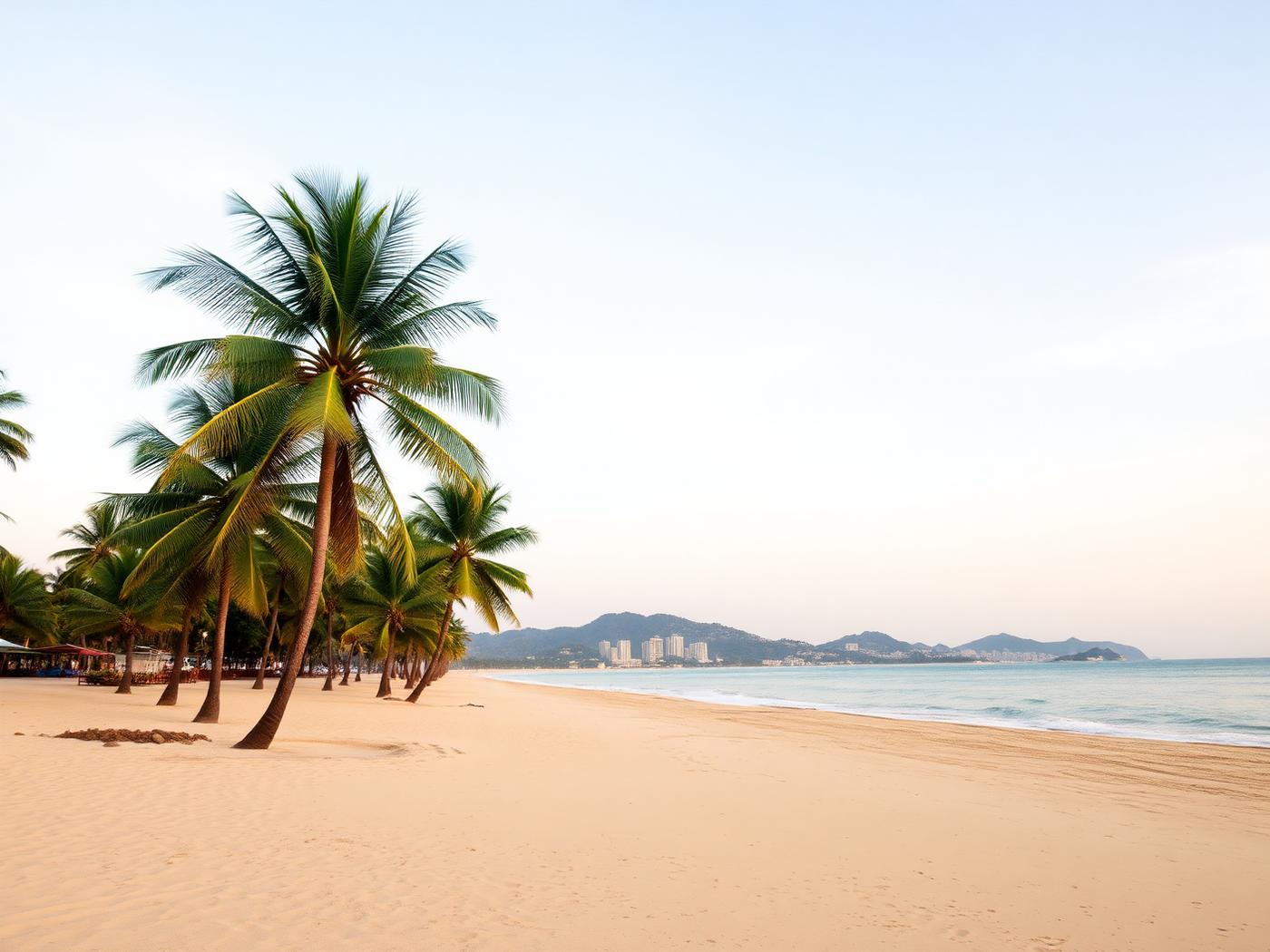
The long town beach and quieter stretches at Khao Takiab and Khao Tao are central to daily life. Hua Hin is known for its golf, with numerous courses within a short drive. Expat social life runs through clubs, charities, sports groups and informal networks, and newcomers usually find it easy to meet people if they make the effort.